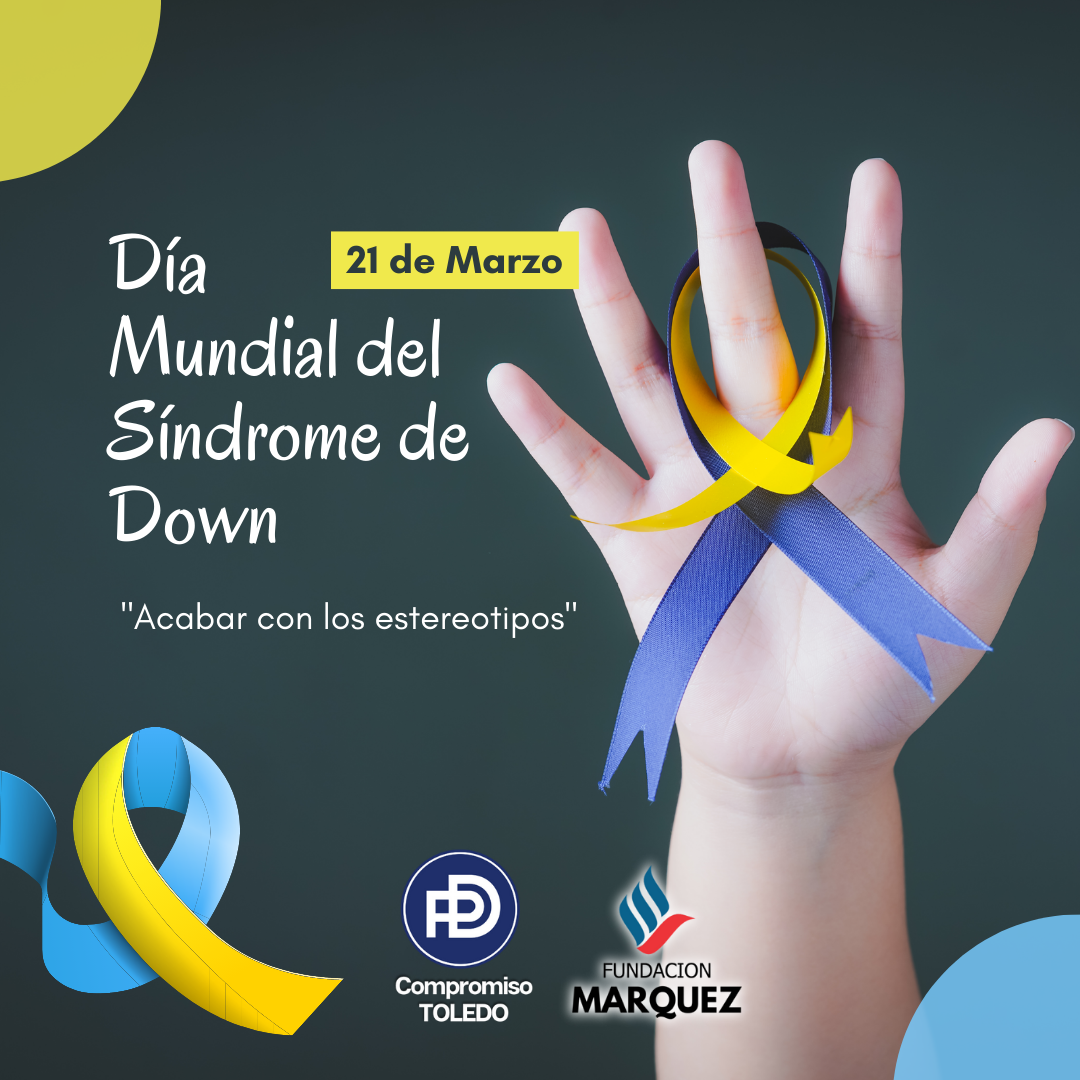
Every March 21st , World Down Syndrome Day is celebrated. Its main objective is to raise awareness within society about the value of these individuals, despite their intellectual disability. It aims to highlight their contributions to society, their rights, and their independence in making their own decisions and pursuing personal growth.
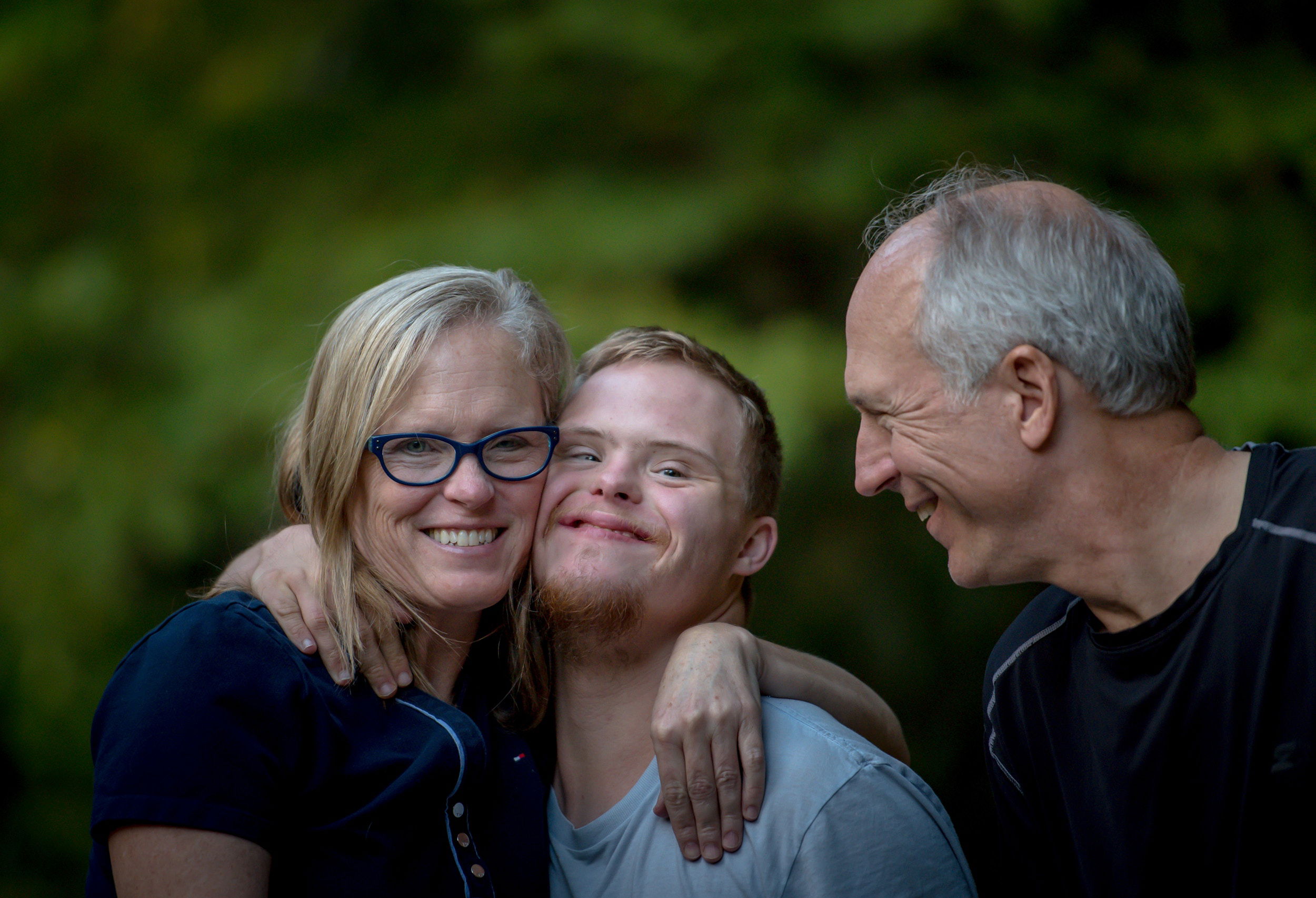
What is Down Syndrome?
Down syndrome is not an illness, as most people believe. It is a chromosomal condition or disorder that occurs when there is an alteration or extra genetic material on chromosome 21, resulting in intellectual disability. According to data from the United Nations, this condition occurs in approximately 1 in 1,100 newborns.
There is still no explanation for why there is extra genetic material in these people, although it is suspected that it may be due to a defective division process that results in an extra chromosome, called trisomy 21 .
The most obvious consequence is incomplete brain development, which causes intellectual disability and some physical disorders, affecting the digestive system and also causing damage to the heart.

The rights of people with Down syndrome
People with Down syndrome should enjoy the same benefits and privileges as most people in today's society. Their right to equality, opportunity, and full happiness is inalienable.
For the United Nations, World Down Syndrome Day is part of the 2030 Agenda, as part of the sustainable action plan to protect these people against any type of abuse, mistreatment or discrimination.
Their value and contribution to humanity should not be less despite their disability, since with work, attention and help people with Down Syndrome can be incorporated into social life, performing multiple activities.

World Down Syndrome Day. Theme 2024
Each year, a central theme is selected for this commemoration. The 2024 theme is "End Stereotypes." Because most stereotypes are limiting, whether positive, negative, or neutral. They are false, preconceived ideas that have nothing to do with reality. Stereotypes are often reinforced by how a topic is handled in the media. And once a cliché is formed, it can be difficult to change. For people with Down syndrome, stereotypes can create inequalities, causing us to stop treating them like everyone else. They are treated like children, undervalued, and excluded. Sometimes, they suffer mistreatment or even abuse. Therefore, there is a call to end stereotypes surrounding Down syndrome and people with intellectual disabilities.

Congratulations to all people with Down syndrome!
Their joy, effort, and courage inspire us to build a more inclusive society full of opportunities for all.
#Inclusion #Diver
Comments